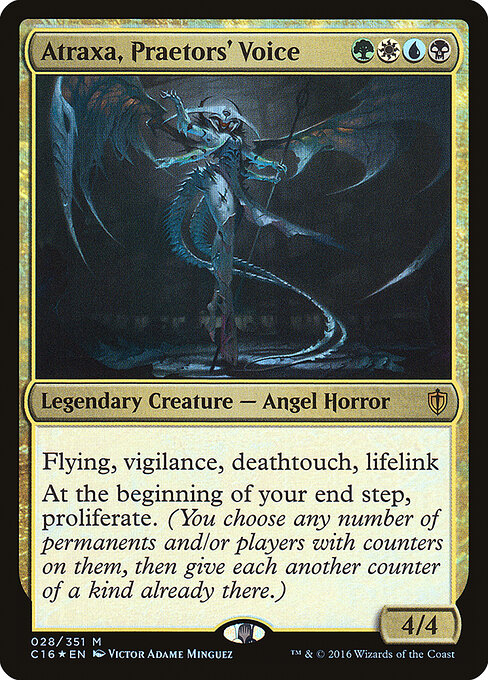
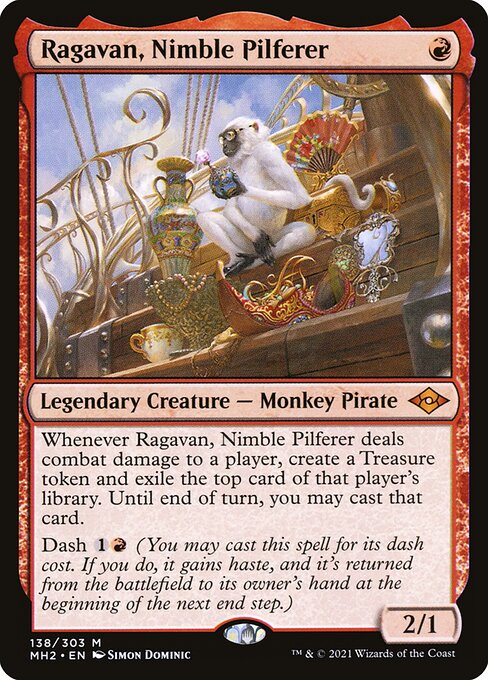
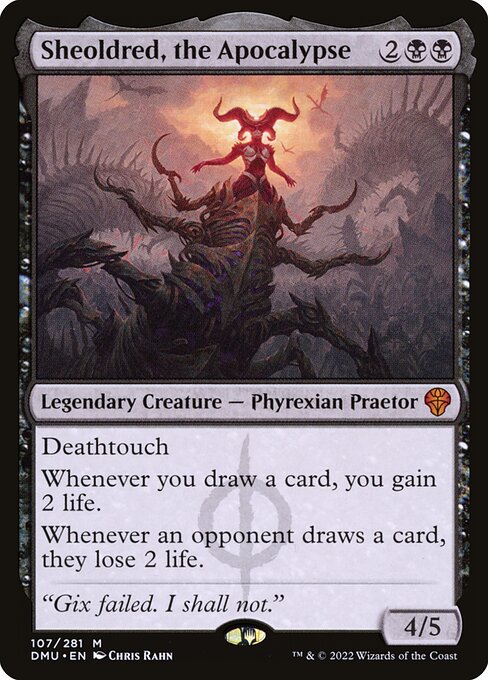
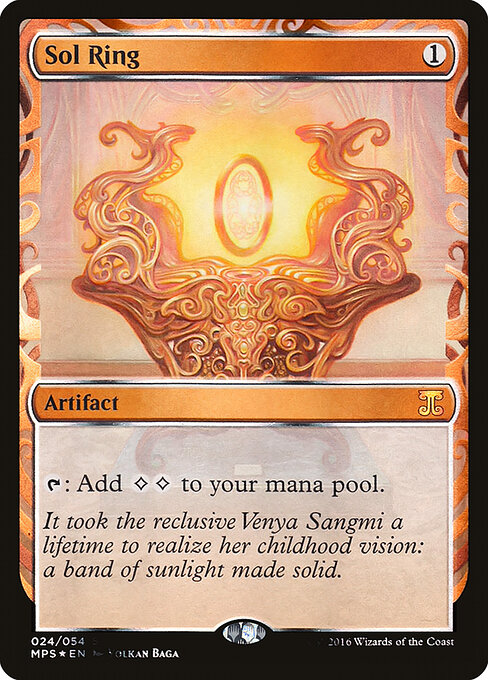
FOR THE CARDS YOU KEEP. AND THE GAMES YOU PLAY.
Scan a Magic card. Know what it does, what it’s worth, and where it belongs in your next deck. Keep your whole collection close, even when you’re offline.
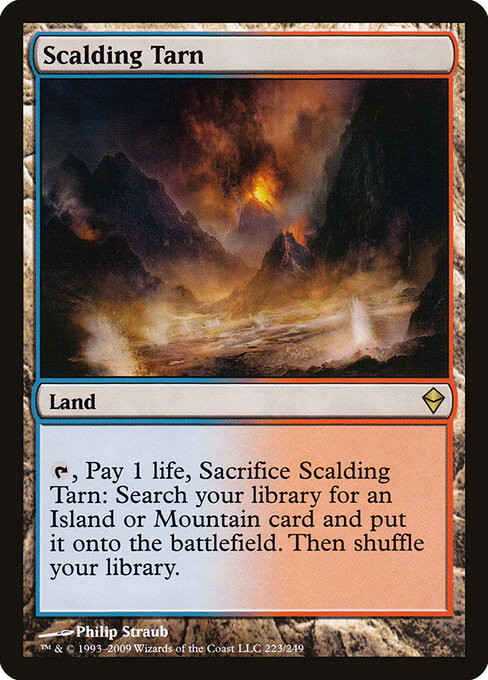
Matched▪ Scalding Tarn▪ ZEN 223▪ Philip Straub
Hold the phone over the pile. The camera finds the card, squares it up, and matches it against every printing — on device, in the moment, with no network call.
Oracle text as real selectable type. Every judge ruling attached to the card. Its legality in every format, and the combos it belongs to.
One tap and the card is yours on paper and on the phone. Search it later the way you search a library — because that is what it is.
Not a lookup. Not a thin client for somebody's price API. The card faces, the reference vectors, the rules, the rulings, the combos and the prices are all in the bundle on your phone.
Which means it works in a card-shop basement with no bars, on a plane, in a garage on a Sunday. Nothing you scan leaves the device, because there is nowhere for it to go.
A scanner that always returns an answer is not confident — it is guessing, and hiding it. Fetchland has a third state, and it uses it.
Below its confidence threshold a card gets no name, no price and no dossier — just a dim outline that doesn’t respond to a tap. Attaching a price and a legality table to a card it did not actually identify would launder a guess into a confident answer. That is the one thing this app will not do.
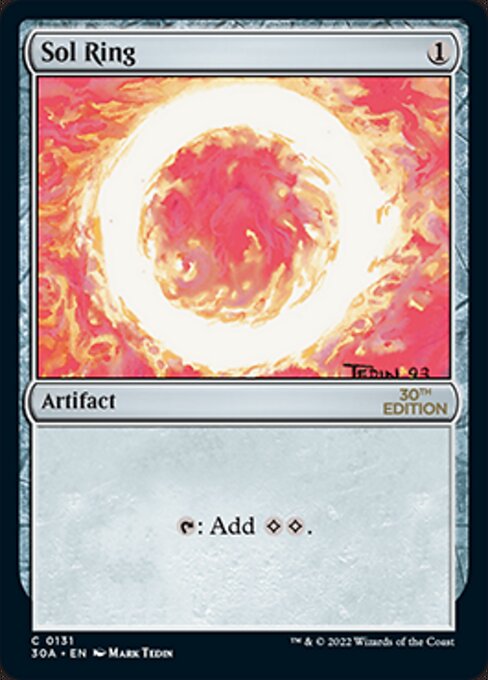
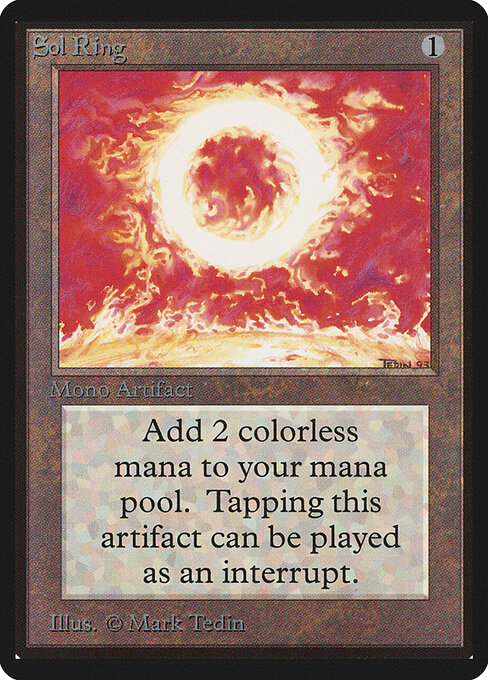
One illustration can span a dozen paper printings worth wildly different money. Reporting a single figure would be a coin-flip presented as fact.
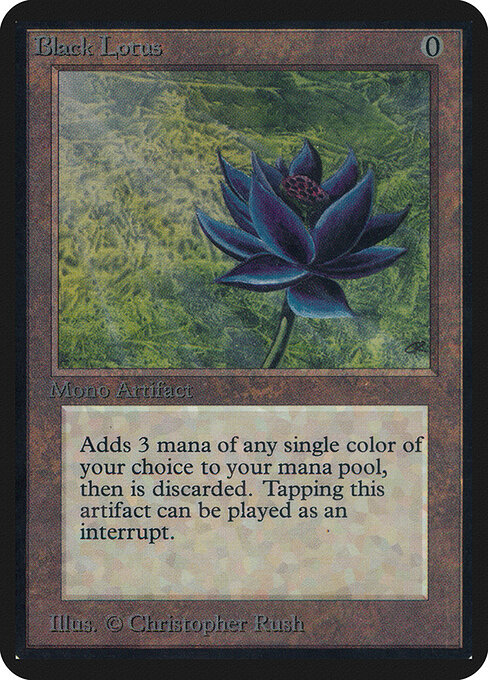
The same Mark Tedin painting, sixty times the money — and ten further printings in between. A scanner that reads the art and stops there has to pick one of these numbers and hope.
So a price is bounded across every printing that shares that art, and collapses to an exact figure only when there is genuinely one answer. Pile totals are the sum of the lows to the sum of the highs — never a midpoint — with a count of how many cards were ambiguous enough to widen it. Every figure carries the date it was pulled, because a price with no age is indistinguishable from a wrong price.
Matching happens against every individual printing, so the borderless, the extended art and the retro frame are not collapsed into one entry.
Because the whole combo corpus ships, the app can tell you the card you are one piece away from — the hint that silently never fires when a database has been trimmed to the popular 26%.
Artworks never printed in English are priced from their own language’s printings rather than from the card’s name, so the range you are quoted actually contains the truth.
Your collection stays on your phone unless you sign in and subscribe to optional cloud sync. Scanning always happens on your device. Anonymous usage reports remain separate from your account.
Explore the web companion · Cloud plans: US $0.99/month or $9.99/year.
Organize your collection on a bigger screen. Tune your decks, explore synergies, compare a trade, and pick up where you left off on your iPhone.
Binders, notes, finishes, and exact printings. Find what you own and make space for what comes next.
Build a list, explore recommendations, check your mana curve, and see which cards you still need.
Compare trades, keep score, and record your matches. Your collection stays part of the game.
Cloud is being prepared for launch.
US $0.99/month or $9.99/year, subscribed through the iPhone app. Local scanning stays free.
Fetchland is on the App Store, free, for iPhone. It is early, and feedback from people with 90 binders and a crate on the floor is exactly what it needs.